Rodents are a fact of life in Los Angeles County. The climate, density of housing, and mix of aging buildings and new construction make neighborhoods from Pacoima to Palos Verdes hospitable to mice and rats. If you own or manage property here, the question isn’t whether they will appear, it’s how quickly you will detect and stop them before they damage insulation, contaminate food, or trigger expensive repairs. I’ve worked on dozens of residential and commercial cases across LA County, and the strategies that actually work combine targeted exclusion, sanitation, and calibrated use of professional services such as Rodent Control Services in Los Angeles County Rodent Control Inc. This article lays out those tactics so homeowners and property managers can make confident choices.
Why this matters Rodent Control Services in Los Angeles County Rodent Control Inc. Rodent activity is more than a nuisance. Rats and mice gnaw through wiring, increasing fire risk. Their droppings and urine can trigger asthma and spread bacteria. A single pregnant mouse can produce dozens of descendants in months, turning a minor loft problem into an infestation that costs thousands to remediate. Early, sensible action saves money and preserves health.
Recognizing rodent presence early The earliest sign is usually not the animal itself. You will notice small black droppings shaped like rice grains, grease marks along baseboards, or the sound of scratching in wall voids at night. In garages and attics, nests of shredded paper or insulation, and gnawed cardboard boxes are telltale. Outdoors, undermined concrete slabs, gnaw marks at ground level, and tracks in dusty soil point to rats. In my last residential call in Culver City, a homeowner dismissed a single droppings point until the infestation brought down the garage door opener motor via chewed wiring. That repair alone nearly equaled what professional exclusion would have cost.
Common species and why they matter Los Angeles County typically hosts two rodent groups that require different approaches. Roof rats favor higher spaces, climbing trees, and entering via roofs or vents, while Norway rats are burrowers and prefer lower, ground-level access. House mice will exploit tiny gaps and reproduce quickly. Understanding which species you face changes the tactics — roof rat proofing focuses on trimming tree branches and securing vents, while Norway rat control emphasizes ground-level exclusion and burrow management. If you are unsure, a reputable rodent control company in Los Angeles County Rodent Control Inc. Can identify species from droppings and runways and tailor the plan.
Why do DIY traps sometimes fail Homeowners often start with snap traps and bait stations. Those work for small, localized mouse problems but fail when there is a larger, reproducing population or when structural entry points remain unaddressed. Traps reduce numbers but do not stop re-invasion. Poison baiting without exclusion invites a different problem: dying rodents in wall cavities that cause odors and attract secondary pests like flies. In an apartment building I consulted on, a well-meaning tenant dosed the stairwell with bait and the building smelled for weeks as carcasses accumulated in inaccessible voids. When you choose a method, consider how you will complete the cycle: reduce, exclude, and maintain.
A phased strategy that actually works I recommend a three-phase approach that blends immediate reduction with long-term prevention.
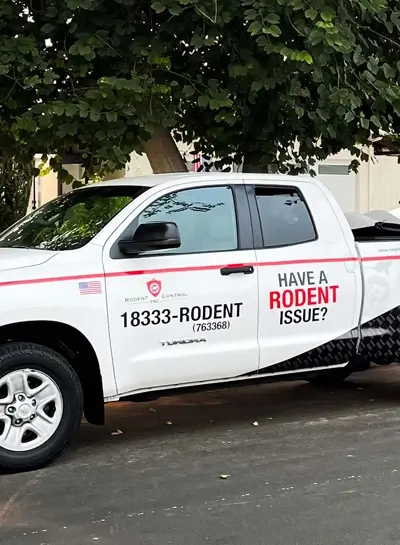
Phase one: rapid assessment and reduction Within 24 to 72 hours of confirmed activity, act to reduce numbers and gather information. Place a few snap traps or tamper-resistant bait stations in the active areas, monitor daily, and document catch locations. For commercial properties, arrange an inspection with a licensed provider. A good provider will map entry points, identify attractants, and estimate population size. In many cases, rapid reduction prevents structural damage and odor issues that occur when populations climb out of control.
Phase two: exclusion and habitat modification Sealing entry points is the most durable step. Use metal mesh or cement to close gaps larger than 1/4 inch for mice and 1/2 inch for rats. Replace weather-stripping, seal gaps around pipe penetrations, and install rodent-proof vent covers. Trim tree limbs and vegetation so branches do not touch roofs, and store firewood and landscaping materials off the ground and away from structures. Inside, remove food sources by keeping pantry items in sealed containers and securing pet food. I once sealed a Tudor-style home by concentrating on one overlooked access: an old chimney flue. After a simple cap installation and a few wire mesh patches, signs of activity dropped to zero.
Phase three: monitoring and maintenance Even after sealing and initial reduction, follow-up is essential. Install a few monitoring stations in attics and garages, check them weekly for a month, then monthly for a year. Rodents exploit changing conditions with seasons, construction nearby, or neighboring properties. For multi-unit buildings, a coordinated maintenance schedule reduces re-infestation risk. Professional commercial rodent services often include quarterly inspections and documentation that landlords can use to meet regulatory or insurance requirements.
When to hire professionals There are several scenarios where DIY no longer makes sense. If you are dealing with more than a handful of rodents, repeated catches without stopping new activity, rodents in HVAC or electrical spaces, or if you suspect structural entry points you cannot reach safely, call a licensed company. A rodent control company in Los Angeles County Rodent Control Inc. Will offer tools and expertise you likely lack: attic cameras, pressure sealants for unique materials, and experience with municipal code and pesticide regulations. They can also work with pest management plans for commercial properties and provide proof of service for tenants.
Balancing methods and safety The tools available include trapping, baiting with rodenticides, exclusion, and habitat changes. Each has trade-offs. Traps are immediate and target-specific but require regular checking and placement skill. Rodenticides can be efficient for large populations and are often necessary in commercial settings, but they carry risks to children, pets, and non-target wildlife if not used correctly. Some baits use anticoagulants that require multiple feedings; others are single-dose. For homes with pets or small children, discuss pet-safe bait stations and placement strategies with providers. When companies advertise "Rodent Control Services in Los Angeles County Rodent Control Inc." Make sure they carry the appropriate licenses and explain safety protocols.
Examples from the field A strip mall in North Hollywood had chronic rodent complaints. Tenants reported droppings in a food-service trash room and gnawing around electrical conduits. The initial contractor used only snap traps and recorded sporadic success. When I assessed the site, I found multiple exterior deficiencies: gaps under roll-up doors, unsecured dumpster lids, and adjacent vacant lots with brush. The effective solution combined sealing gaps under doors with steel threshold plates, monthly exterior baiting in tamper-resistant stations, and a dumpster enclosure with a lockable gate. Over six months, complaints dropped by 90 percent and the cost of repairs to cabling fell to nearly zero.
For a single-family home in Pasadena, an attic infestation of roof rats coincided with a ravenous appetite for potted succulents on the balcony. The homeowners had tried glue traps and lost patience. We removed the plants from the balcony, installed screened gable vents, trimmed the ficus tree back three feet from the roofline, and baited rodent control LA County discrete stations inside attic access points. Two weeks later the scratching stopped and the homeowners avoided an expensive attic insulation replacement.
Checklist for immediate action Use this short checklist when you suspect rodent activity:
- place snap traps or tamper-resistant bait stations in the most active areas and check them daily seal obvious food sources by storing dry goods in metal or thick plastic containers and securing pet food inspect exterior perimeters for gaps under doors, vents, and utility penetrations; note anything larger than 1/4 inch trim vegetation away from roofs and remove brush piles or debris within five to ten feet of foundations
Choosing the right provider Not all pest companies are created equal. Seek firms that are licensed by California’s structural pest control board and ask for references in Los Angeles County neighborhoods with similar building types. A competent provider will offer a written plan, timeline, and follow-up schedule. Beware of companies that promise immediate eradication in a single visit without addressing exclusion. If you manage commercial property, confirm that the company can provide service records suitable for health inspections and liability documentation.
Costs and budgeting Expect costs to vary widely. A single-family home exclusion job that involves attic sealing, a few vent covers, and follow-up visits may range from a few hundred to a couple of thousand dollars depending on access and materials. Commercial properties and buildings requiring structural modifications, dumpster enclosures, or repeated baiting programs commonly run higher. Consider lifecycle costs: repeated trapping without exclusion will cost more over time than a single, comprehensive exclusion project combined with a monitoring plan.
Edge cases and judgment calls Every property is different. Older buildings with historic features require careful, reversible work to preserve character while excluding rodents. In multifamily buildings, unilateral tenant actions such as leaving food in hallways or storing belongings on balconies undermine even the best exclusion work, so coordination and communication are crucial. On coastal properties, sea spray and corrosion limit how long metal mesh and screens last, so plan for periodic replacement. If non-target wildlife like owls are nesting nearby, avoid widespread outdoor baiting and prioritize exclusion and trapping in enclosed spaces.
Final practical tips Address the landscape. Native plants that provide dense cover are beautiful but can harbor rodents. Replace dense, ground-hugging shrubs near foundations with lower-profile, less hospitable plantings, and keep irrigation away from building perimeters because moisture and vegetation attract gnawing mammals. Rotate traps and monitor changes; rodents adapt. Keep thorough documentation; photographs of entry points and a simple log of trap catch locations and dates will help a professional refine the strategy.
When to escalate If you find evidence of structural damage to wiring, insulation, or plumbing, don’t wait. Electricians and HVAC professionals will need to assess safety. For persistent infestations despite exclusion and baiting, consult with a licensed rodent control company. Companies using the name Rodent Control Services in Los Angeles County Rodent Control Inc. Or Rodent control company in Los Angeles County Rodent Control Inc. Should provide clear evidence of licensing, a written contract, and a follow-up schedule. Verify insurance and ask about guarantees or warranty periods on exclusion work.
Keeping rodents out is an ongoing task, not a single project. With practical steps, timely interventions, and the right professional help when needed, you can reduce risk to health and property substantially. The difference between a short-term nuisance and a chronic infestation often comes down to early detection, smart exclusion, and steady maintenance. If you are unsure where to start, a focused inspection by a reputable local provider will show you which combination of immediate actions and longer-term investments will deliver the best, most cost-effective result for your Los Angeles County home.